Can You Remove Old Varnish From An Oil Painting? Discover professional methods to safely restore your artwork's brilliance and clarity by removing aged, yellowed varnish effectively.
What is varnish on an oil painting?
Varnish is a clear coating that is often applied to the surface of an oil painting after the paint has dried. Its main purpose is to protect the paint from dirt, dust, smoke, moisture in the air, and general handling marks.
Varnish can also change how a painting looks. It may make colours appear richer, deeper, and more even. It can also give the surface a gloss, satin, or matte finish, depending on the type used.
Many older oil paintings were varnished because it helped bring out the depth of the paint. Over time, however, that once-clear layer can become yellow, brown, cloudy, cracked, or uneven.
When people think an old painting has become dark, the problem is often the varnish rather than the original paint. Professional cleaning and varnish removal can reveal details that were hidden under years of ageing and surface dirt. Fine Art Restoration notes that dark, yellowed, or dull oil paintings are often affected by aged varnish rather than the artist’s original colours.
Why old varnish may need to be removed
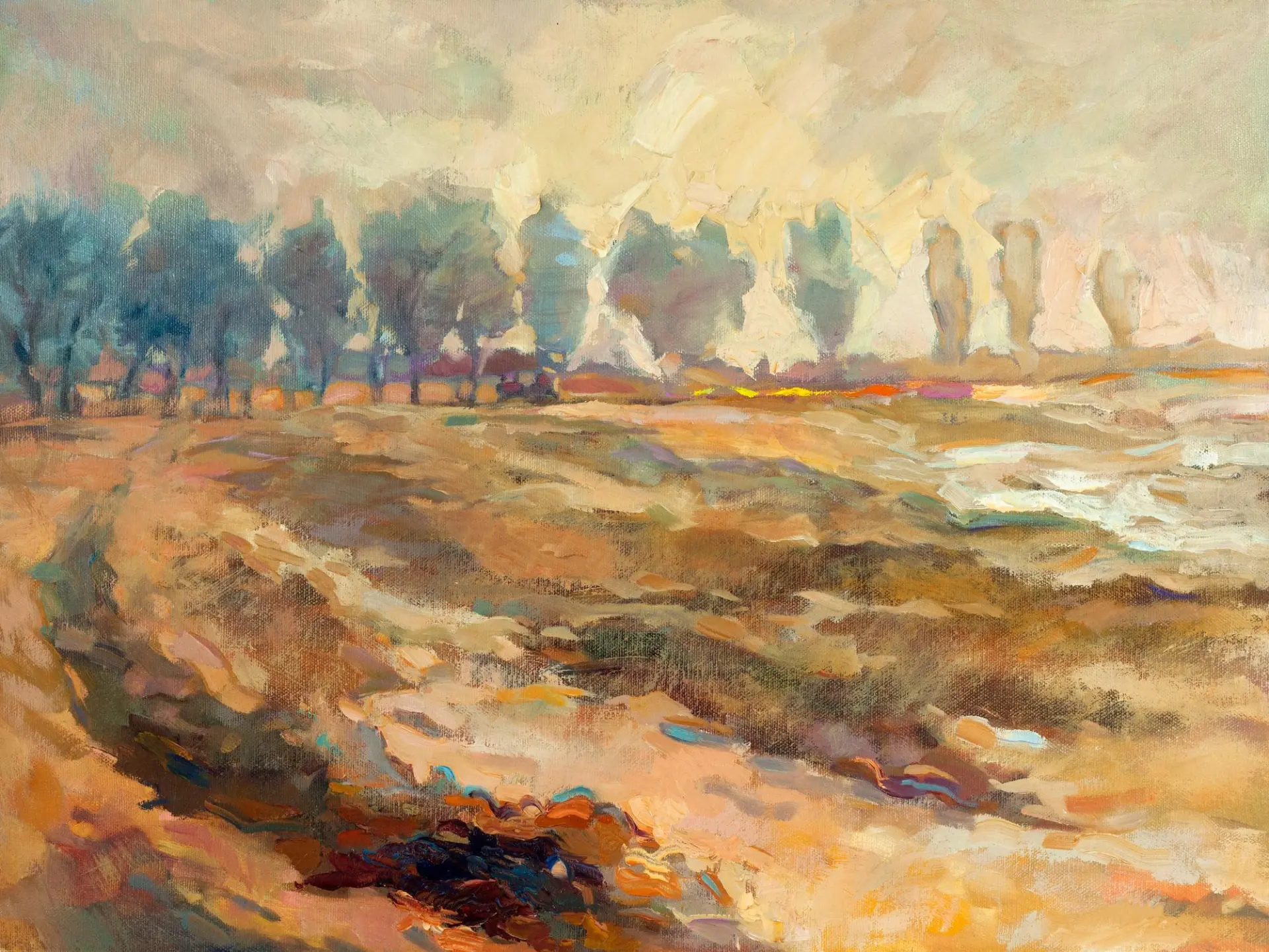
Old varnish may need to be removed when it has changed colour, become cloudy, cracked, sticky, or uneven. Instead of protecting the painting and improving its appearance, it can start to hide the artist’s work.
Yellowed varnish can make whites look cream, blues look green, and bright colours look dull. A painting may seem dirty or gloomy even when the paint beneath is still strong.
Old varnish can also trap dirt, smoke, nicotine, grease, and soot. These layers can build up over many years and make the surface look darker than it really is.
Removing old varnish can help restore balance, depth, and clarity. It may also allow a restorer to see areas of damage more clearly, such as old repairs, scratches, overpaint, or small paint losses.
Signs that varnish has aged or yellowed
One of the most common signs of aged varnish is a yellow or brown cast across the whole painting. This can be especially easy to see in pale areas such as skies, skin tones, white clothing, or light backgrounds.
Another sign is a dull or cloudy surface. The painting may look flat, grey, or misty, even after gentle dusting. This often happens when varnish has aged unevenly or reacted with dirt in the air.
Cracking can also appear in old varnish. These cracks may look like fine lines over the paint surface. In some cases, the varnish may look patchy, with glossy areas beside dull areas.
Aged varnish can also make details harder to see. Brushwork, facial features, shadows, and fine background details may appear hidden under a dark film. If the painting looks much darker than expected, old varnish may be one of the causes.
Can old varnish be removed safely?
Old varnish can often be removed safely, but only when the correct method is used. The safety of the process depends on the painting’s age, materials, condition, varnish type, and paint sensitivity.
A professional restorer will not usually remove varnish without testing first. They may test very small areas to see how the varnish reacts and whether the paint below is stable.
Some varnishes can be removed more easily than others. Others may be very old, uneven, mixed with dirt, or sitting above earlier restoration work. This can make the process more difficult.
Safe varnish removal is not about using the strongest cleaner. It is about using the least harmful method that works. A trained restorer will aim to remove the aged varnish while protecting the original paint layer.
Why varnish removal should be handled with care
Varnish removal should be handled with care because the varnish sits directly above the paint. If the wrong method is used, the original paint can be softened, rubbed, stained, or removed.
Oil paintings are not all made in the same way. Some have thin paint, some have thick texture, and some have delicate glazes. These differences affect how safely varnish can be removed.
Older paintings may also have hidden problems. There may be old overpaint, weak paint, past repairs, water damage, or areas where the paint is already lifting.
A careful restorer works slowly because they are not just cleaning a surface. They are making decisions that affect the future condition and value of the artwork. Bloomfield Art warns that removing yellowed varnish, grime, dirt, nicotine staining, and mould growth requires great care and skill to avoid overcleaning.
What can go wrong during varnish removal?
One of the biggest risks is overcleaning. This typically happens when too much is removed, including original paint, glazes, or fine details. Once original paint is lost, it cannot truly be replaced.
Another risk is uneven cleaning. If varnish is removed in patches, the painting may look blotchy, streaky, or unbalanced. This can make the artwork look worse rather than better.
Strong products can also soften or completely disturb the paint. Some colours and older materials are more sensitive than others. Rubbing the surface can cause further damage, especially where paint is raised or cracked.
Old repair materials can create extra problems. Earlier overpaint, glue, varnish, or filler may react differently from the ones in the original layers. This is why testing and experience are so important before full varnish removal begins.
How professionals remove old varnish
Professional restorers begin by examining the painting carefully. They look at the paint surface, varnish, canvas or panel, frame, past repairs, and any signs of flaking, cracking, staining, or overpaint.
They may then carry out small cleaning tests. These tests help them choose a safe method and understand how the varnish and paint respond.
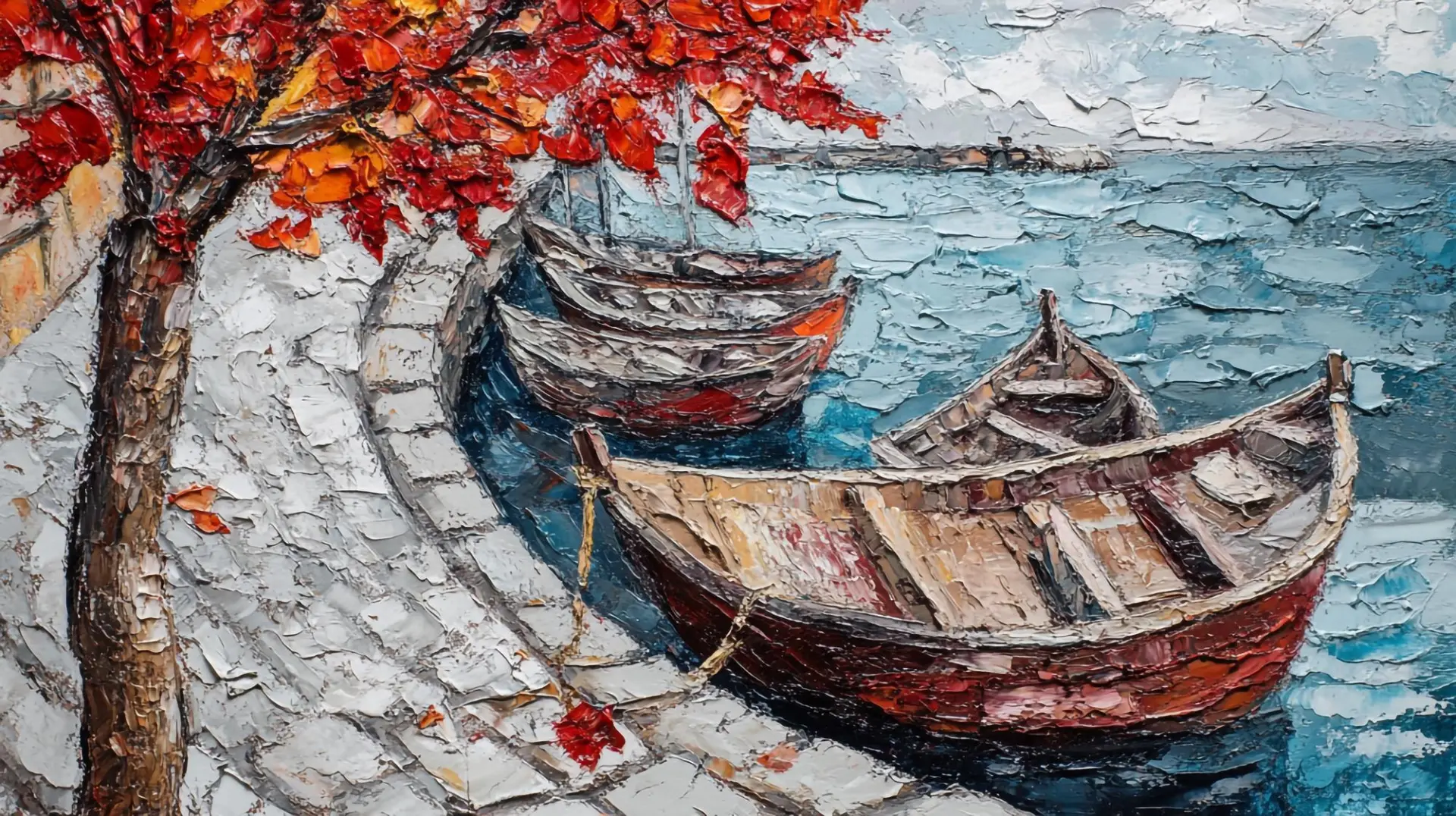
The varnish is usually removed gradually. A restorer may work across the surface in small areas, checking the result as they go. The aim is controlled removal, not fast stripping.
Professional treatment may also include cleaning dirt, removing nicotine layers, securing loose paint, filling small losses, retouching damaged areas, and revarnishing once the work is complete.
Icon lists treatments such as removing yellowed varnish coats, surface cleaning, retouching, re-varnishing, and stabilising paint flakes as part of painting conservation work.
Can you remove varnish from an oil painting at home?
It is not recommended to remove varnish from an oil painting at home. The process may look simple in videos or guides, but it can easily damage the original paint.
The main problem is that you may not know where the varnish ends and the paint begins. Some paint layers are very thin, and some old varnishes are difficult to separate from dirt or past repairs.
Home cleaning products are not made for oil paintings. Even mild products can stain, soften, dull, or lift the surface. A cloth, cotton bud, or brush can also catch on raised paint and pull it away.
If the painting is valuable, old, sentimental, or already damaged, home varnish removal is especially risky. A professional assessment is the safer choice. Central Coast Art Conservation advises against cleaning paintings yourself because even minor attempts can damage the paint layer, varnish, or canvas.
What not to use on an oil painting
Never use water, washing-up liquid, or anything harsher, such as alcohol, vinegar, polish, disinfectant, bleach, window cleaner, or general household sprays on an oil painting. These can cause lots of damage to the varnish, stain the paint, or leave harmful residues.
Do not use oil, wax, furniture polish, or food-based cleaning methods. These can make the surface sticky, attract dirt, and cause long-term problems.
Do not scrub the painting with a cloth, sponge, brush, or tissue. Raised paint, cracking, and textured brushwork can be very fragile. Even gentle pressure can remove loose paint.
You mustn’t use any tape, glue, or fillers to repair tears, cracks, or missing paint. These materials can stain the canvas and make professional repair more difficult later. For anything beyond a light dusting of the frame, it is much safer to ask a restorer for advice.
How long does varnish removal take?
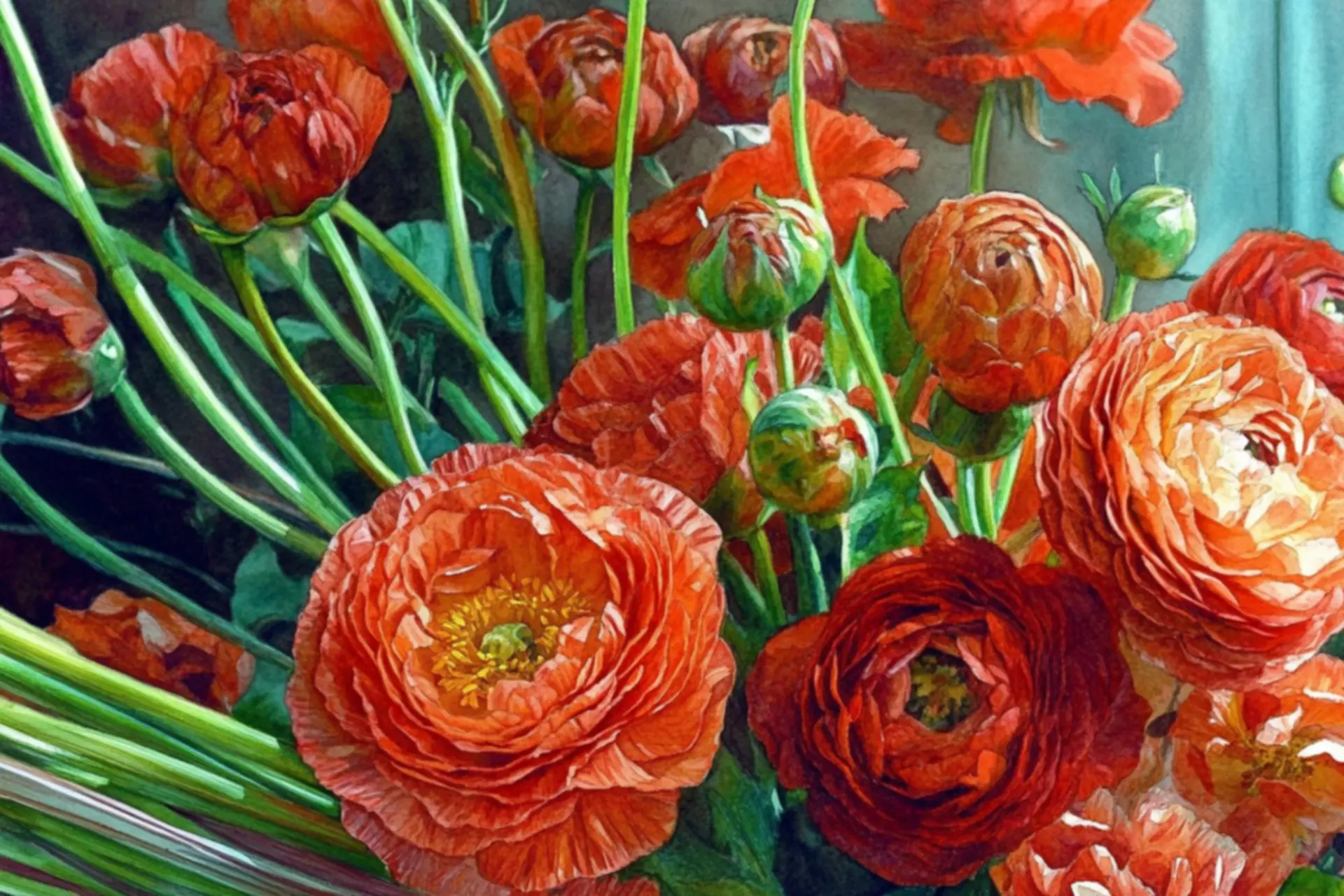
The duration of varnish removal usually depends on the painting’s size, condition, varnish type, and surface detail. A smaller, more stable painting may take only a few hours to restore, whereas a larger or more delicate painting can take much longer.
If the varnish is thin and even, removal may be more straightforward. If it is thick, dark, cracked, or mixed with dirt and smoke, the work is likely to take more time.
Paint texture also matters. A smooth surface may be easier to work on than a painting with raised brushwork. Thick paint can trap varnish and dirt in small ridges.
The restorer may also need to complete other stages before or after varnish removal. These can include testing, surface cleaning, securing loose paint, retouching damaged areas, and applying a new varnish.
How much does varnish removal cost?
The cost of varnish removal varies because every painting is different. Size, condition, paint sensitivity, surface texture, dirt, smoke staining, and old repairs can all affect the price.
As a rough UK guide, one restorer lists oil painting varnish removal for a small canvas as taking around four to seven hours, charged at £45 per hour. That would suggest a guide price of around £180 to £315 for a small painting, before any extra repair work.
Larger paintings, fragile surfaces, heavy staining, damaged varnish, or complex past repairs can cost more. If the painting also needs paint stabilisation, filling, retouching, revarnishing, canvas repair, or framing, the total will rise.
The best way to get an accurate price is to send clear photos to a professional restorer. Include the front, back, frame, corners, close-ups of damage, and the painting’s measurements.
Should an oil painting be revarnished afterwards?
In many cases, an oil painting should be revarnished after old varnish has been removed and any repair work has been completed. A new varnish can protect the paint surface and improve the overall finish.
Revarnishing can also help colours look more even. After cleaning and varnish removal, some areas may appear slightly different in gloss. A new varnish can bring the surface together visually.
The finish does not always need to be glossy. Depending on the painting and the owner’s preference, a restorer may suggest gloss, satin, or matte varnish.
Modern conservation varnishes are often chosen because they are more stable and easier for future restorers to manage. Fine Art Restoration states that after varnish removal and further restoration, a conservation-appropriate varnish can be applied to offer ongoing protection.
How to care for an oil painting after varnish removal
After varnish removal and restoration, your painting should always be kept in a stable environment. Avoid damp rooms, direct sunlight, fireplaces, radiators, and areas with strong temperature changes.
Do not touch the painted surface. Skin oils can leave marks, and pressure can harm delicate areas. When moving the painting, hold it by the frame if the frame is secure.
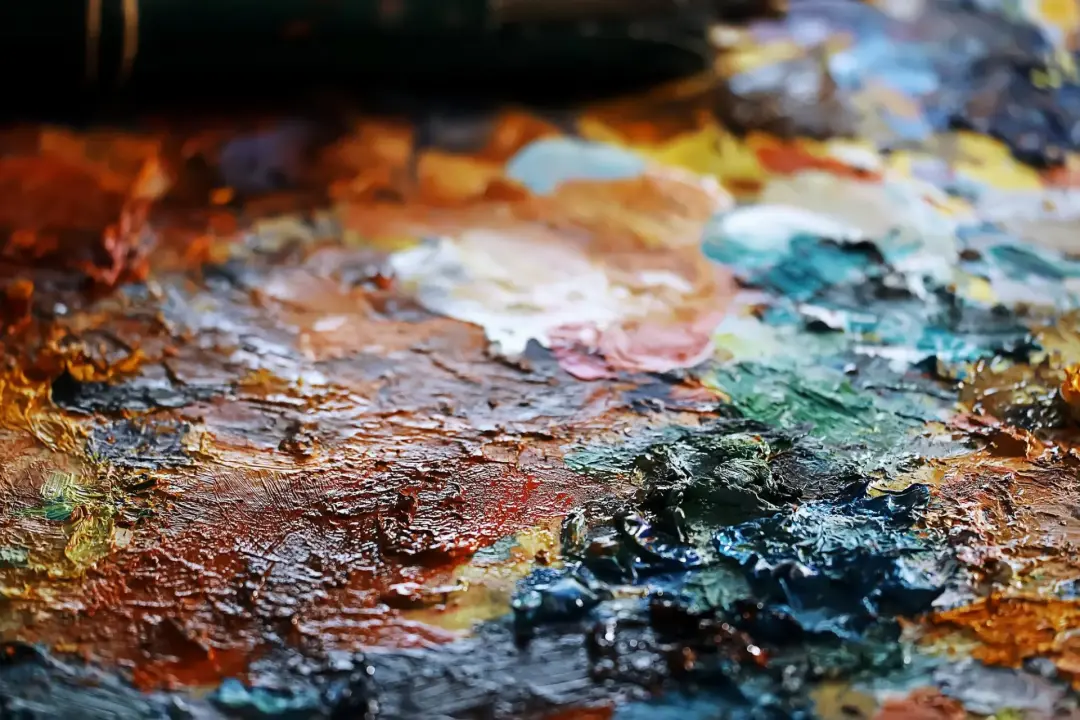
Dust the frame gently with a dry, soft cloth or brush. Strive to avoid dusting the painted surface unless a restorer has shown you how to do it safely.
Keep the painting away from kitchens, bathrooms, smoke, and areas with high moisture. Grease, steam, soot, and mould can build up again and reduce the benefit of restoration.
When to contact a professional restorer
You should contact a professional restorer if the varnish looks yellow, brown, cloudy, cracked, sticky, or uneven. You should also seek help if the painting appears dull even after the frame has been gently dusted.
Professional advice is especially important if the painting has flaking paint, tears, water damage, smoke damage, mould, staining, or old, poor repairs. These issues can become worse if treated incorrectly.
A restorer can assess the painting and explain whether varnish removal is suitable. They can also advise whether the painting needs cleaning, stabilising, retouching, revarnishing, or structural repair.
When contacting a restorer, it helps to provide the painting’s size, photographs, known age, support type, and any concerns you have. The British Association of Paintings Conservator-Restorers says you may be asked for information such as the support, paint medium, date, reasons for treatment, images, and possibly an in-person examination.
Are you looking for oil painting restorers in London? Alyson Lawrence provides oil painting restoration throughout London and the surrounding areas.
We hope this page has provided some valuable information about the process of restoring a painting. To discuss your restoration project follow the link below.
As a member of the Guild of Master Craftsmen and over 30 years experience restoring fine art paintings, your beloved paintings are in good hands. If you need help restoring oil painting, contact Alyson today to discuss your project.