Is oil painting restoration safe for valuable artwork? Protect your paintings with trusted techniques that preserve history and enhance longevity.
What does oil painting restoration involve?
Oil painting restoration involves careful work to clean, repair, stabilise, and protect a painting. It can include surface cleaning, varnish removal, paint repair, canvas repair, frame restoration, and the treatment of damage caused by smoke, water, mould, heat, age, or poor past repairs.
The first stage is usually an assessment. A restorer looks at the painting’s surface, support, frame, varnish, paint layers, cracks, previous repairs, and signs of weakness. They may also look at the back of the painting, as this can reveal old patches, tears, damp marks, stretcher problems, or labels.
Restoration is not the same as repainting a picture. The aim is to protect the original artwork and improve its condition while keeping as much of the artist’s work as possible. A careful restorer will only treat areas that need attention.
For valuable artwork, the process should be planned in detail before any work begins. The restorer should explain what they intend to do, what risks may be involved, what results are realistic, and whether any parts of the treatment can be adjusted if new problems are found.
Is restoration safe for valuable oil paintings?
Oil painting restoration can be safe for valuable artwork when it is carried out by a trained and experienced painting restorer. The key point is that the work must be based on careful checks, testing, suitable materials, and a clear treatment plan.
Valuable paintings need lots of extra care because any damage may affect their condition, history, and market value. A professional restorer should understand how to protect original paint, avoid unnecessary change, and record the work properly.
The best and safest method of restoration is usually slow and controlled. It does not aim to make the painting look new. Instead, it is a great way to improve stability, limit the accumulation of harmful dirt or aged varnish, and repair damage in a way that respects the artist’s work.
The Institute of Conservation’s Find a Conservator service helps people find professionally qualified conservator-restorers who can provide expert technical work and advice. This is a good starting point when dealing with valuable, historic, or sentimental artwork.
How professional restorers protect artwork
Professional restorers protect artwork by examining it before treatment and choosing methods that suit the painting’s materials and condition. They do not treat every oil painting in the same way, because each artwork has its own age, surface, history, and weaknesses.
They may photograph the painting before work begins. This creates a record of the painting’s condition and helps show what has changed during treatment. For valuable paintings, this record can be useful for insurance, sale, inheritance, or future conservation.
Restorers also protect paintings by carrying out small tests before wider cleaning or varnish removal. These tests show how the surface reacts and help avoid damage to sensitive paint or old repairs.
A professional should also use suitable materials. Where possible, repairs should be stable, well-matched, and not harmful to the original artwork. The aim is to support the painting, not cover it with heavy or unsuitable treatment.
Why condition checks matter before restoration
Condition checks matter because much older paintings can sometimes have hidden problems that are not obvious from the front. A work may look dirty or dull, but it could also have loose paint, weak canvas, old repairs, damp damage, or unstable varnish.
If these problems are missed, treatment can cause harm. For example, cleaning a painting with lifting paint may pull small flakes away. Removing varnish from a painting with sensitive glazes may disturb fine colour layers.
A condition check helps the restorer decide what should happen first. In many cases, stabilising the painting is more important than improving how it looks. Loose paint, tears, weak edges, or mould may need attention before cosmetic work begins.
For valuable artwork, condition checks also help set clear expectations. The restorer can explain which marks can be improved, which damage may remain visible, and which areas need special care.
Common risks during oil painting restoration
The main risks during oil painting restoration include paint loss, overcleaning, uneven varnish removal, surface staining, texture damage, and changes to the painting’s appearance. These risks are higher when the work is carried out by someone without the right training.
Overcleaning is one of the most serious risks. It happens when dirt or varnish is removed too strongly and original paint, glazes, or fine detail are also affected. Once original paint has been lost, it cannot truly be replaced.
There can also be risks during repair. Poor filling, heavy repainting, unsuitable glue, sticky tape, or badly matched retouching can make the painting look worse and may reduce its value.
Some risks come from the painting itself. Older works may have fragile paint, unusual materials, earlier restoration, or areas weakened by damp, heat, or smoke. This is why a professional assessment is so important before work begins.
How varnish removal is carried out safely
Safe varnish removal starts with close examination and testing. A restorer will usually test tiny areas first to see how the varnish reacts and whether the paint beneath is stable.
The varnish is then removed in a controlled way. The restorer works slowly across small areas rather than stripping the whole surface at once. This helps them watch for changes and stop if the paint appears sensitive.
Old varnish can become uneven, yellowed, dirty, cracked, or mixed with the earlier repair materials. Some areas may need an opposing method from others, especially if the previous restoration has left overpaint or patchy coatings.
When done properly, varnish removal can reveal clearer colour, better detail, and a more balanced surface. However, it should only be carried out when the restorer is confident that the original paint can be protected.
Can cleaning damage a valuable painting?
Cleaning can damage a valuable painting if it is done with the wrong product, too much pressure, or without testing. Oil paintings should not be cleaned like household surfaces because the paint and varnish can be sensitive.
Water, alcohol, vinegar, sprays, polish, and various other household cleaners tend to contain harsh chemicals and can stain, soften, dull, or lift the surface. Even a soft cloth can cause damage if the paint is cracked, raised, or flaking.
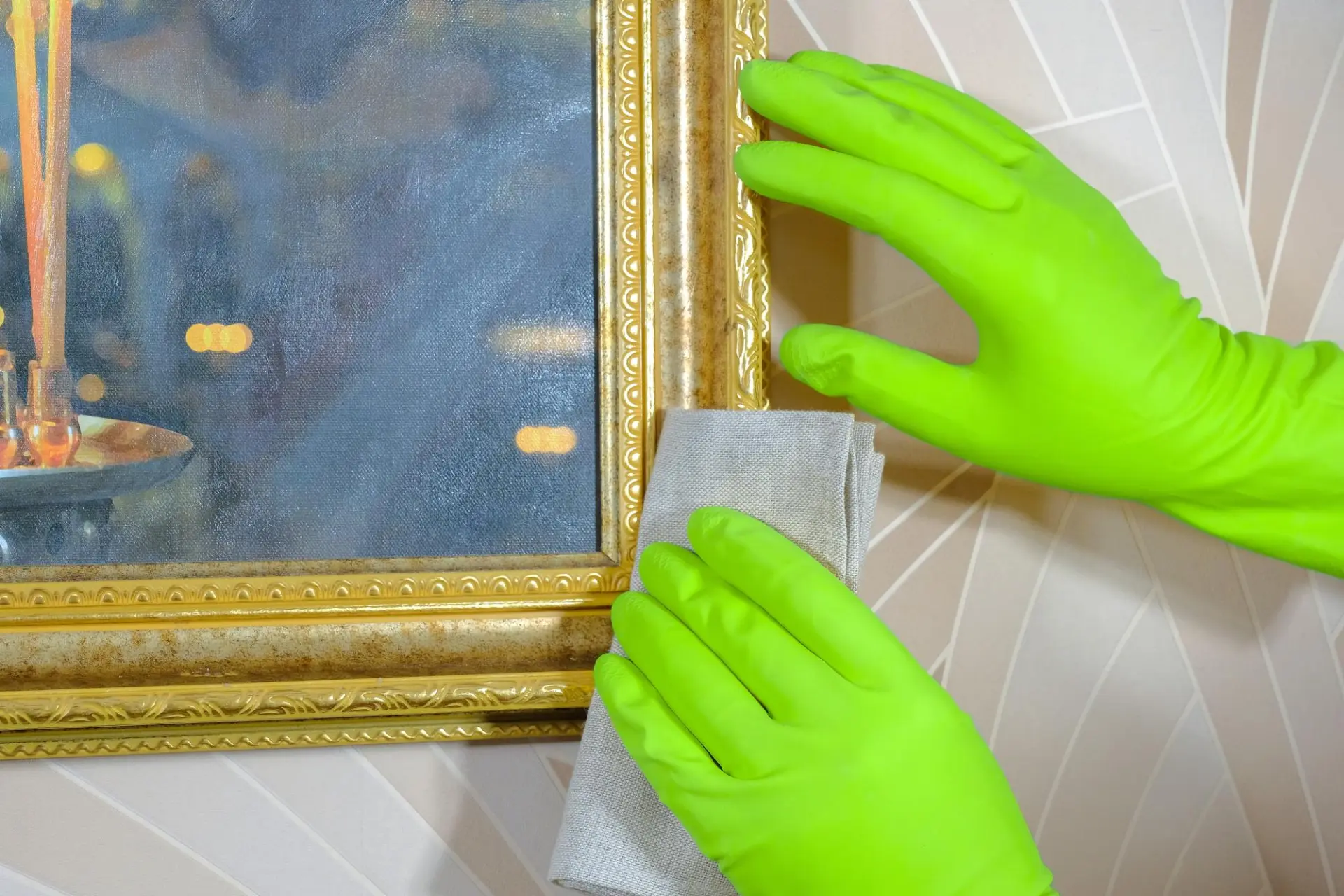
Professional cleaning is different because it is tested and controlled. A restorer checks what can be removed safely and avoids areas that are too fragile. They may remove surface dirt first before considering deeper treatment.
For valuable artwork, cleaning should always be done carefully. The aim is not to remove every sign of age, but to reduce harmful dirt and improve the painting without harming original detail.
Why repairs should be reversible where possible
Repairs should be reversible where possible because future restorers may need to review, adjust, or remove the treatment. This is especially important for valuable, antique, or rare paintings.
A reversible repair means the restorer avoids permanent changes unless they are truly needed. For example, retouching should usually be limited to damaged areas rather than painted over large parts of the original work.
This approach protects the painting’s history. A future expert may have better materials, better tools, or new information about the artist. If earlier restoration can be safely adjusted, the painting has more options in the future.
Reversibility does not mean the repair is weak or temporary. It means the work is planned with care and respect for the original artwork. It also helps avoid heavy treatment that could reduce value.
The role of testing before treatment
Testing before treatment is one of the most important safety steps in oil painting restoration. It helps the restorer understand how the paint, varnish, dirt, and old repairs will react.
A restorer may test cleaning methods in tiny areas that are not visually distracting. These tests help show whether dirt can be removed, whether varnish can be softened safely, and whether the paint is stable.
Testing can also reveal past repairs. An area may look original, but cleaning tests might show overpaint, old filler, or a different varnish layer. This information can change the treatment plan.
For valuable paintings, testing reduces risk and supports better decisions. It means the restorer is not guessing. They are using evidence from the painting itself before working on larger areas.
Should antique or rare paintings be restored?
Antique or rare paintings can be restored, but the decision should be made carefully. Restoration may be helpful if the painting is dirty, unstable, torn, mouldy, smoke-damaged, or covered with badly aged varnish.
It’s always wise to remember that not every old painting needs an entire restoration. Some signs of age may be part of the artwork’s history and further add to its charm. Fine cracking, old surface texture, and certain tonal changes may not need to be removed.
For rare paintings, stabilisation may be more important than visual improvement. This means treating lifting paint, weak canvas, or active mould before considering cleaning or retouching. A qualified restorer can advise whether full restoration, limited treatment, or preventive care is best. The safest choice is the one that protects the painting while making the fewest unnecessary changes.
How to choose a qualified oil painting restorer
When opting for a qualified oil painting restorer, make sure to look for someone with plenty of training, experience, and a clear focus on painting conservation. They should understand oil paint, varnish, canvas, panels, frames, and the care of valuable artwork.
Ask whether they have worked on paintings similar to yours. A valuable portrait, antique landscape, smoke-damaged painting, or fragile canvas may need different skills from a modern decorative painting.
Professional membership or accreditation can also help. Icon Accreditation is awarded by the Institute of Conservation and shows that a conservator-restorer has been assessed against professional standards, with knowledge, skill, judgement, and understanding of conservation principles.
You can also check the British Association of Paintings Conservator-Restorers. Its Find a Restorer service helps members of the public contact Fellows of the association, who meet the current standards under the Fellowship programme.
Questions to ask before handing over valuable artwork
Before handing over any valuable artwork, ask the restorer what condition the painting is in and what treatment they recommend. They should be able to explain the main issues in clear language.
Ask what risks are involved. Even safe restoration can carry some level of risk, especially with fragile, old, or previously restored paintings. A good restorer should be honest about this.
Ask what materials and methods will be used. You do not need a highly technical answer, but you should understand whether the work includes cleaning, varnish removal, stabilising paint, retouching, canvas repair, or revarnishing.
You should also ask about insurance, storage, transport, photographs, written estimates, and reports. For valuable artwork, these details are just as important as the treatment itself.
What to expect from a restoration report
A restoration report is a written record of the painting’s condition and the work carried out. It is especially useful for valuable, antique, or important artworks.
The report may include the painting’s size, materials, support type, visible damage, previous repairs, varnish condition, frame condition, and any risks found before treatment.
It may also include photographs before, during, and after restoration. These images help show what was done and can be useful for insurance, future sale, family records, or later conservation.
A good report should be clear enough for the owner to understand. It should explain the treatment in a way that records the work without hiding important details behind complex language.
How to insure artwork before restoration
Before restoration, check whether your current home or specialist art insurance covers the painting while it is being transported, stored, and treated. Valuable artwork may not be fully covered under a standard policy.
Ask your insurer whether you need an up-to-date valuation. For higher-value paintings, they may ask for photographs, a purchase receipt, an auction record, a valuation letter, or other proof of value.
You should also ask the restorer about their insurance. They should be able to explain how artwork is protected while in their care, including storage, handling, and any transport arrangements.
For very valuable pieces, it may be worth arranging specialist fine art insurance or using a professional art courier. The goal is to make sure the painting is protected from the moment it leaves your wall until it is safely returned.
Are you looking for oil painting restoration in London? Alyson Lawrence provides oil painting restoration throughout London and the surrounding areas.
We hope this page has provided some valuable information about the process of restoring a painting. To discuss your restoration project follow the link below.
As a member of the Guild of Master Craftsmen and over 30 years experience restoring fine art paintings, your beloved paintings are in good hands. If you need help restoring oil painting, contact Alyson today to discuss your project.